

Discovering if your old kitchen cabinet is a real Hoosier can be quite the adventure.
To determine if your cabinet is a genuine Hoosier, look for built-in flour sifters, slide-out shelves, and unique manufacturer markings. Made between 1900 and 1930, these cabinets feature distinct design elements from that era.
When I first inherited my grandmother’s kitchen cabinet, I had no idea it could be a genuine Hoosier. As I began examining it, the thrill of uncovering its history became a delightful journey. If you’re on a similar path, understanding the nuances of these vintage pieces can add layers of appreciation. Let’s dive into what makes these cabinets not just storage solutions but cherished relics of the past. Whether you’re looking to hold onto a piece of history or curious about its worth, the adventure of discovery is as rewarding as finding out it’s authentic.
Hoosier cabinets always have built-in flour sifters.True
Built-in flour sifters are a distinctive feature of authentic Hoosier cabinets.

All Hoosier cabinets were made after 1950.False
Hoosier cabinets were primarily manufactured from the early 1900s to the 1930s.

What Are the Key Features of a Hoosier Cabinet?
Imagine stepping into your great-grandmother’s kitchen and finding a Hoosier cabinet—a piece of history that’s both charming and functional.
Hoosier cabinets stand out for their ingenious design, featuring flour sifters, spice racks, and pull-out worktops. These elements were essential in early 20th-century kitchens before the era of built-in cabinetry.

A Brief History of the Hoosier Cabinet
Back in the early 1900s, the Hoosier cabinet was like the superhero of kitchen furniture. It was revolutionary, providing a one-stop spot for food prep and storage, especially before modern kitchen layouts came into play. I remember hearing stories about how my grandma used hers as the heartbeat of her kitchen, turning chaos into order.
Essential Components of a Hoosier Cabinet
Let me walk you through some of the magical features that make these cabinets so special:
- Flour Sifter: I can almost hear the gentle whir as flour falls smoothly through the sifter, avoiding the dreaded dust cloud. Mounted inside an upper compartment, this feature was a baker’s dream.
- Spice Racks and Storage Jars: Picture rows of neatly labeled glass jars—sugar, spices, coffee—all within reach. The practicality is something I wish my cluttered spice drawer could emulate.
- Pull-Out Work Surface: With a pull-out porcelain or metal surface, it was like having a secret weapon—a handy workspace that could appear as if by magic.
- Ample Storage: Shelves, drawers, compartments… Oh my! It’s like they thought of everything to maximize storage without taking up too much space, kind of like a precursor to today’s kitchen islands1.
Identifying Authentic Hoosier Cabinets
If you’re trying to determine if a Hoosier cabinet is genuine, you’ll want to look for original components like the flour sifter or those charming roll-top tambour doors. Labels from manufacturers such as Hoosier Manufacturing Co., Sellers, or McDougall are good indicators of authenticity. And don’t forget to check for wear patterns and patina—these tell a story of age and originality.
For those interested in antiques like me, diving into restoration can be incredibly rewarding. Not only does it preserve history, but it also offers practical use in modern kitchens. Take a peek at guides on antique restoration2 for some expert tips.
Modern Uses and Adaptations
These days, Hoosier cabinets are not just relics of the past; they’re prized for their vintage charm and functionality. Many use them as statement pieces in modern kitchens, adding a touch of old-world charm that complements contemporary style. I can picture one in my kitchen, sparking conversation and admiration alike.
These versatile pieces can serve as extra storage or become a unique centerpiece that breathes life into your decor. If you’re curious about integrating one into your space, check out home decor ideas3 for inspiration.
Hoosier cabinets were first produced in the early 1900s.True
Hoosier cabinets became popular kitchen furniture in the early 20th century.
All Hoosier cabinets have built-in flour sifters.False
While many did, not all Hoosier cabinets included built-in flour sifters.
How to Spot Manufacturer Markings on Your Cabinet?
I once found myself knee-deep in a cabinet mystery, eager to uncover their origins. Here’s how you can solve your own cabinet conundrum.
To spot manufacturer markings on your cabinet, focus on hidden areas like inside drawers, under shelves, or behind cabinet doors. These spots often hold labels, stamps, or codes revealing the maker. A flashlight can help illuminate hard-to-see markings.
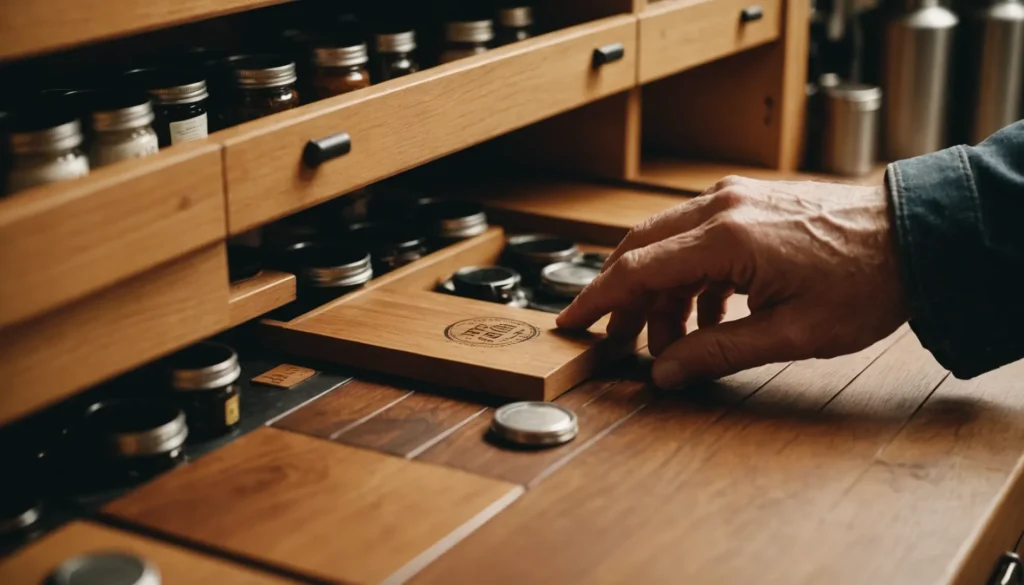
Common Locations for Manufacturer Markings
I remember the day I decided to renovate my kitchen; it felt like embarking on a treasure hunt. The cabinets were beautiful but mysterious, and I wanted to ensure my new pieces matched perfectly. If you’re in a similar boat, start by exploring all the nooks and crannies of your cabinets. Open those doors wide and peek around the edges or behind them. These are prime real estate for labels or engravings.
Inside the drawers is another great place to look. I felt like a detective rummaging through the bottom of mine, hoping for a sticker or stamp that would give me a clue. Don’t forget to check underneath the shelves or on the back panels—sometimes the most unexpected spots hold the best secrets. A flashlight became my best friend, helping me see into those shadowy corners.
Interpreting the Markings
Once you find a marking, the next step is figuring out what it means. Some of my cabinets had clear logos, making it easy to identify the manufacturer. Others were trickier, just a jumble of numbers and letters. When that happens, I dive into online searches, matching those codes with entries in manufacturer databases4.
If your cabinets are vintage like mine, expect some worn-out labels. I’ve had success snapping photos and using digital tools to sharpen the image—technology to the rescue!
Seeking Professional Insights
Still scratching your head after all that searching? I’ve been there too. That’s when reaching out to cabinetry pros can make a difference. They’ve seen it all and might recognize that obscure marking or style. Plus, online forums like home improvement communities5 are treasure troves of shared wisdom and stories from fellow cabinet sleuths.
For particularly old pieces, I even consulted antique furniture specialists. Their insights not only helped identify my cabinets but also revealed fascinating tidbits about their historical background6.
Tips for Future Reference
After finally piecing together my cabinet’s story, I realized how handy it is to keep track of this information. So now I maintain a file with photos of the markings, receipts, and any relevant notes. It’s like my personal cabinet diary—perfect for when I need to find matching pieces or replacements down the road.
Cabinet manufacturer labels are always inside the drawers.False
Labels can be inside drawers, on frames, or behind doors.
Reddit can offer insights on identifying cabinet manufacturers.True
Users often share tips and experiences on identifying cabinetry brands.
Why Are Hoosier Cabinets Historically Significant?
Imagine your kitchen without a Hoosier cabinet. These ingenious pieces of furniture didn’t just hold flour and spices—they transformed how we lived and cooked.
Hoosier cabinets are historically significant because they revolutionized kitchen efficiency in the early 1900s, mirroring the era’s societal push towards modern domestic life and streamlined home management.

The Birth of the Hoosier Cabinet: A Symbol of Efficiency
I remember the first time I saw a Hoosier cabinet in an old family photo. My great-grandmother stood proudly beside it, her apron dusted with flour. This wasn’t just a piece of furniture—it was the heart of her kitchen. In the early 1900s, the Hoosier cabinet7 emerged as a groundbreaking innovation, dramatically changing how kitchens functioned. These cabinets centralized kitchen tasks with built-in flour sifters, spice racks, and compartments for utensils. This clever integration made household chores less labor-intensive and more organized.
Societal Trends and Domestic Life
The rise of the Hoosier cabinet was more than just about convenience. Imagine living in a time when “domestic science” was all the rage. This movement pushed for efficient household management and better living conditions, which perfectly aligned with the design of these cabinets. They quickly became a staple in many American homes. I often wonder what it must have been like to see one for the first time—perhaps akin to the excitement I felt when I first got a smartphone.
Impact on Kitchen Design and Functionality
Before Hoosier cabinets, kitchens were cluttered with various furniture pieces for different tasks. The Hoosier cabinet changed all that by consolidating these elements, paving the way for the modern built-in kitchen. This transformation didn’t just influence kitchen design; it inspired future innovations8 in home appliances and furniture. Reflecting on this evolution makes me appreciate how a simple piece of furniture could herald such significant change.
Collectible Value and Restoration Interest
Today, Hoosier cabinets hold a special place in the hearts of antique collectors and vintage furniture enthusiasts. Their historical significance and unique design make them valuable pieces. I find there’s something deeply satisfying about uncovering different styles and manufacturers—it adds depth to any collection or restoration project. And who knows, maybe one day I’ll have my own Hoosier cabinet story to tell.
Hoosier cabinets revolutionized kitchen storage in the 1920s.True
They offered organized storage and workspace, enhancing kitchen efficiency.
Most Hoosier cabinets were made from metal materials.False
Hoosier cabinets were primarily crafted from wood, not metal.
How to Determine the Value of Your Hoosier Cabinet?
Ever wondered if that dusty old cabinet is worth a small fortune? Let me guide you through how I uncovered the true value of my Hoosier cabinet.
I discovered that determining the value of my Hoosier cabinet involved considering its age, condition, brand, and rarity. By researching comparable sales, consulting antique experts, and exploring online marketplaces, I got a clearer picture. Authenticity and unique features also made a significant difference.

Key Factors Affecting Value
When I first set out to understand the value of my Hoosier cabinet, I realized it was like piecing together a puzzle. Age stood out as a major factor; older cabinets, especially those hailing from the early 1900s, tend to command higher prices. It’s fascinating to think about the stories and history these pieces might have witnessed over a century!
Condition was another crucial aspect. I learned that cabinets in near-perfect shape or with minimal repairs were more desirable than those needing major restoration. It’s like finding a vintage car with its original paint job—those little imperfections tell a story, but too many can drive down value.
Brand recognition added another intriguing layer. Renowned makers like Sellers or McDougall often held more appeal among collectors. It was almost like a treasure hunt—looking for brand markings hidden inside drawers or on the back panel.
Rarity and unique features, such as original flour sifters or sugar jars, also played a role in boosting desirability. I felt like a detective uncovering hidden gems that could make my cabinet stand out.
Research and Expert Consultation
Thorough research was crucial. I spent hours exploring online marketplaces and auction sites, trying to gauge how similar cabinets were being priced9. Observing the asking prices versus final sale amounts helped paint a realistic picture of the market trends.
To get a more accurate evaluation, I decided to consult an antique expert. These professionals offered insights I would have never thought of, like historical significance or unique design elements that could enhance value. I found them through antiques associations10 and local collectors’ clubs, which turned out to be invaluable resources.
Authenticity and Historical Context
Authenticity was a game-changer in determining my Hoosier cabinet’s value. Genuine cabinets from the early 20th century are significantly more valuable than modern reproductions. I delved into examining construction materials and techniques, finding that original hardware and wood types like oak or walnut often indicated authentic pieces.
Understanding the historical context also added a layer of appreciation. These cabinets were once innovative kitchen solutions in American homes during the early 1900s. Knowing this made me see mine not just as furniture but as a piece of history with its own unique story.
In summary, figuring out the value of my Hoosier cabinet was a journey of research, expert advice, and appreciating the intricate details of antique evaluation. While it’s essential to know its monetary worth, understanding its historical and aesthetic significance has enhanced my enjoyment of this charming slice of history.
Hoosier cabinets were first manufactured in the 1920s.False
Hoosier cabinets were first produced in the early 1900s, around 1903.
Original Hoosier cabinets often have a flour sifter.True
A built-in flour sifter is a common feature in original Hoosier cabinets.
Conclusion
Learn how to identify genuine Hoosier cabinets by examining features like flour sifters and manufacturer markings, while appreciating their historical significance and value in modern kitchens.
- Discover the evolution and historical significance of the Hoosier cabinet. ↩
- Learn expert methods to restore antique furniture like a Hoosier cabinet. ↩
- Find inspiration on incorporating Hoosier cabinets into modern home decor. ↩
- Access databases that match codes to specific cabinet brands. ↩
- Engage with communities for shared insights on cabinet identification. ↩
- Explore historical contexts and evolutions in cabinetry design. ↩
- Understand the origin and features of Hoosier cabinets. ↩
- Learn about the impact on contemporary kitchen layouts. ↩
- Explore recent pricing trends for informed valuation. ↩
- Connect with experts for accurate cabinet appraisal. ↩


